Alek
Alek
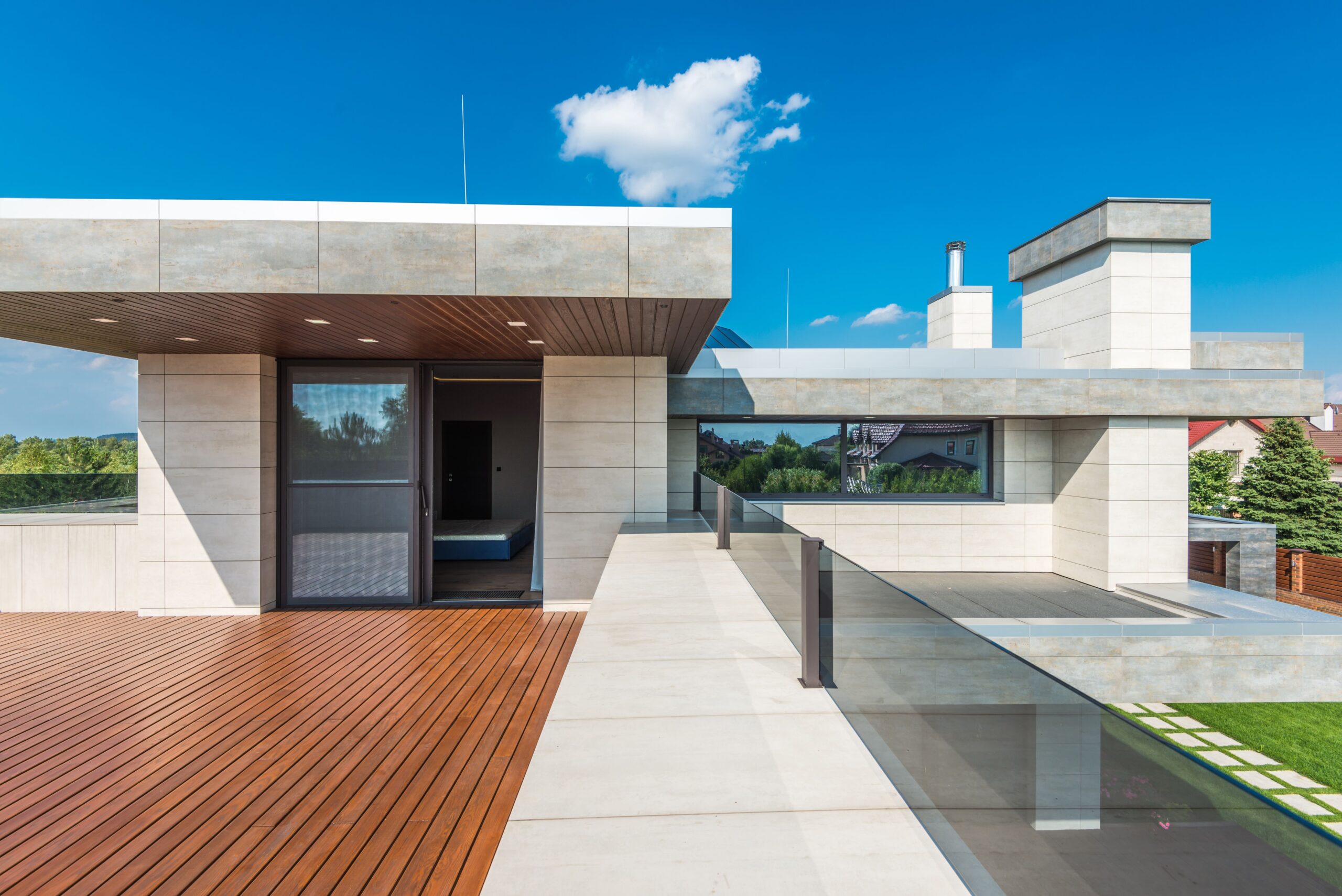
Decking has traditionally been treated as a choice between timber, composite boards and steel. Aluminium is changing that shortlist. It is appearing in balconies, roof terraces, access walkways, marina structures and bridge rehabilitation projects because it solves several modern construction problems at once: weight, weather exposure, installation time and long-term maintenance.
That does not make it the universal replacement for every other decking material. Aluminium is energy-intensive to produce, usually costs more at the outset and still needs careful detailing around fixings, drainage and slip resistance. Its growing appeal comes from a more mature way of evaluating construction materials: not just what they cost on delivery day, but what they demand over decades.
The strongest argument is weight
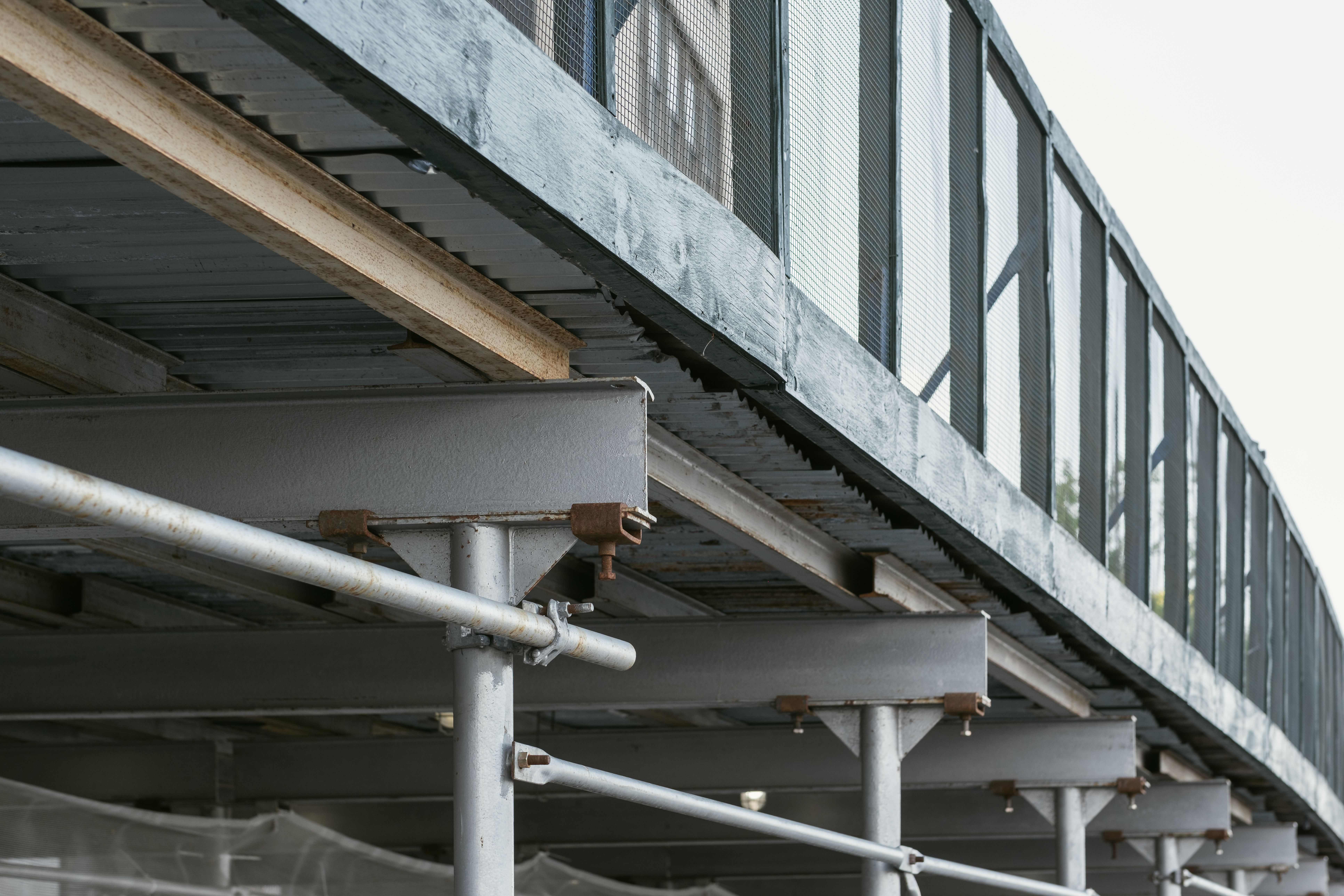
Aluminium has a high strength-to-weight ratio. The Aluminum Association says aluminium can weigh up to 65% less than steel, although the exact saving depends on the alloy, profile, span, loading and connection design. For decking, that difference is not merely a transport detail.
A lighter deck can reduce the demands placed on supporting beams, columns, foundations and existing structures. That matters particularly when a project is adding a balcony to an older building or replacing a deteriorated bridge deck without rebuilding the entire supporting frame. Lighter components can also be moved around a constrained site with smaller lifting equipment.
The practical consequence is a wider design envelope. A contractor may be able to prefabricate sections away from the site, deliver them in manageable pieces and install them with less disruption to occupants, traffic or neighbouring properties. In renovation work, that reduced structural burden can be the difference between a feasible scheme and an expensive redesign.
Why outdoor exposure changes the calculation
Timber can decay, steel can rust and composite products can weather in different ways. Aluminium behaves differently because it rapidly forms a thin oxide layer that protects the underlying metal. The layer can reform when scratched in the presence of oxygen, which is one reason aluminium performs well in many external applications.
That benefit has limits. Coastal air, de-icing salts, standing water and contact with dissimilar metals can create a more aggressive environment. Good design therefore includes drainage, ventilation, compatible fasteners and appropriate surface treatment where necessary. Aluminium should not be specified with the vague assumption that “rustproof” means “immune to every corrosion mechanism”.
A 2024 review in the Proceedings of the Institution of Civil Engineers review of aluminium alloys in sustainable bridge design notes both sides of the picture: aluminium alloys offer strong corrosion resistance and durability, but marine and de-icing-salt environments may require additional protection. That is the level of qualification a serious specification needs.
Maintenance is where the material earns its premium
The most persuasive case for aluminium decking is often not the first quotation. It is the maintenance schedule that follows.
Aluminium does not rot, attract pests or develop the familiar rust scale associated with unprotected steel. It may still need cleaning, inspection, coating renewal or replacement of damaged fixings, but the maintenance burden can be less disruptive. In a public walkway or a busy commercial terrace, avoiding repeated closures can be worth more than a small difference in material price.
Research on bridge decks illustrates the point more clearly than generic product claims. A life-cycle study of an aluminium-steel composite bridge deck in Canada found that the aluminium option had a higher initial cost, but lower total cost over the modelled life cycle because maintenance and traffic diversion were reduced. The authors’ result applies to a specific bridge scenario, not every residential deck, but it demonstrates why initial price alone can be a poor decision rule.
My view is that aluminium makes the most financial sense when access is difficult, downtime is expensive or the supporting structure is already close to its capacity. If a deck is easy to reach, lightly used and inexpensive to replace, the premium may never pay back.
A cleaner installation story, with conditions
Aluminium decking systems are commonly manufactured as extruded profiles or prefabricated components. Repetition and factory production can improve dimensional consistency and move some cutting waste away from the construction site. The material is also easier to handle than many steel alternatives, which can shorten installation sequences when the design is prepared properly.
That does not mean every aluminium deck is automatically sustainable. Primary aluminium production has a substantial energy demand. A credible environmental comparison should ask where the metal was produced, how much recycled content it contains, what finish and fixings are included, how far it travels and whether the product can actually be separated for recycling at the end of its service life.
The upside is that aluminium can be recycled repeatedly without losing its fundamental properties. The Aluminum Association’s green building guidance for aluminium reports that remelting aluminium can use up to 92% less energy than primary production. That is a valuable circular-economy characteristic, but it is not a licence to ignore the emissions from making virgin metal in the first place.
Design freedom is not just about appearance
Extrusion allows manufacturers to create profiles with ribs, channels, concealed fixing zones and integrated drainage paths. Those details can produce a cleaner visual finish, but they also influence stiffness, deflection, ventilation and the way water leaves the deck.
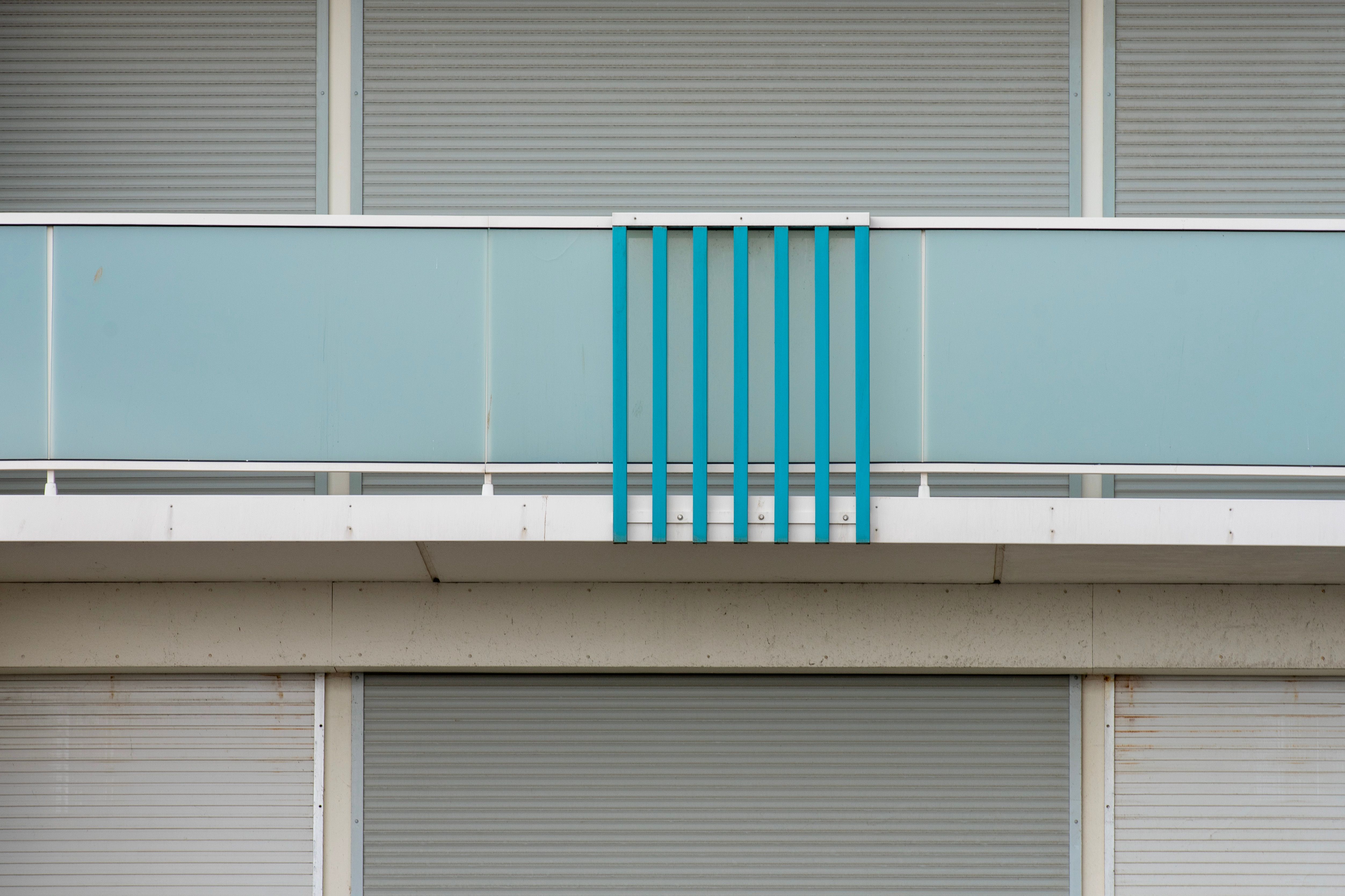
For architects, that flexibility makes aluminium useful in projects where a heavy, visually dominant deck would be awkward. It can support minimalist balcony designs, modular access routes and raised platforms without making the structure look overbuilt.
For engineers, the important questions are less glamorous: What is the span? What live load applies? How will thermal movement be accommodated? Are the fixings compatible? What happens where aluminium touches concrete, steel or treated timber? A beautiful profile with poor junction details is still a poor deck.
Safety has to be specified, not assumed
A metal surface can be slippery when wet if it is smooth, and a textured surface can create its own cleaning and accessibility considerations. The right choice depends on the location, footwear, drainage, slope, expected contamination and whether the deck is used by the public, workers or residents.
OSHA’s walking-working-surface requirements state that work surfaces must be maintained free of hazards such as loose components, corrosion, leaks and spills. The rule is not an aluminium-decking specification, but it makes the design responsibility clear: choose a surface finish and drainage strategy that remain safe in the conditions the deck will actually face.
For a wet or marine setting, specify slip-resistance data rather than relying on a product photograph. Check the test method, the direction of the profile and how the surface behaves when contaminated. Also make sure the open area of any grating is suitable for the users, wheels, heels and objects that may cross it.
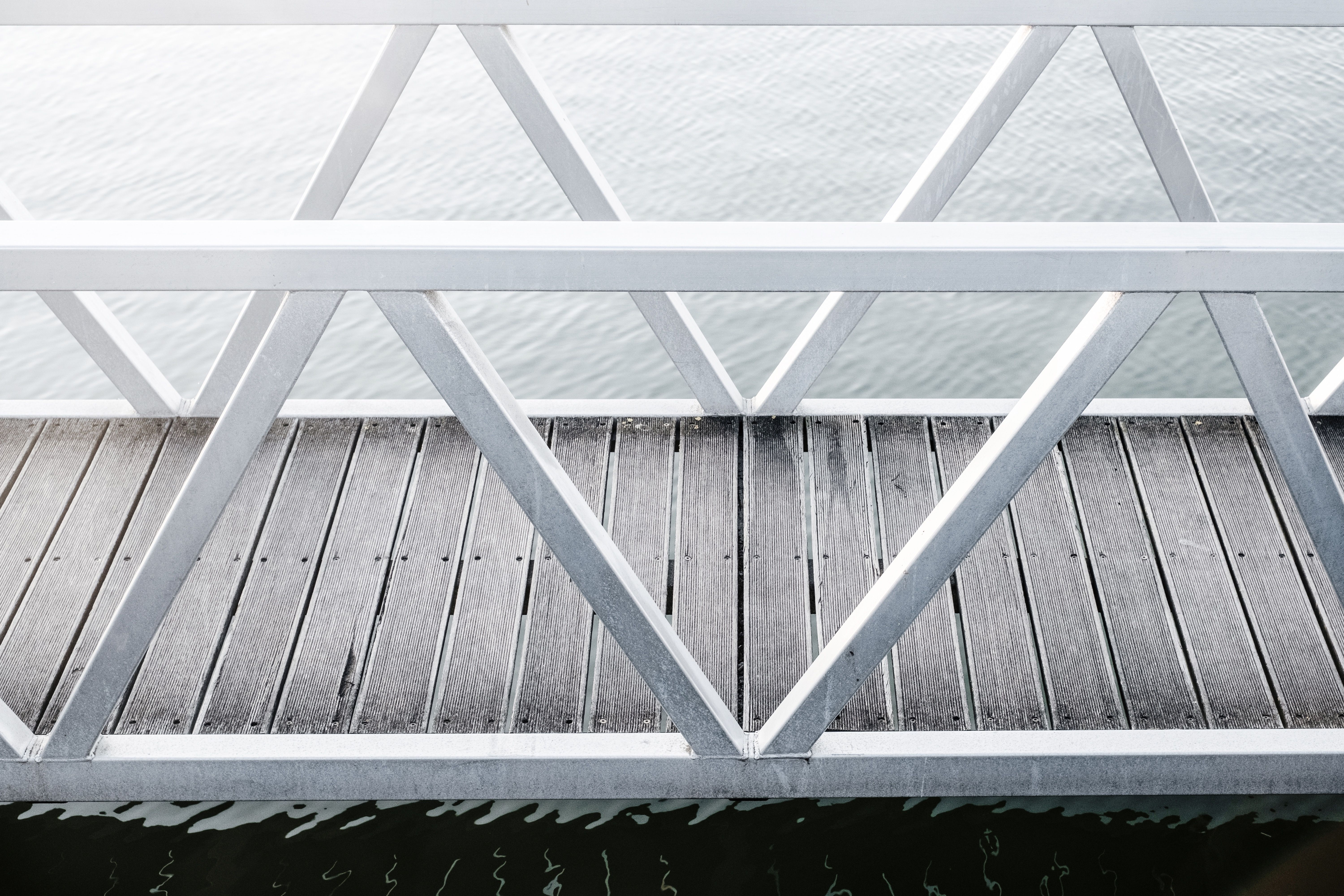
Where aluminium decking makes the most sense
- Balconies and roof terraces: low weight can help limit additional loading on existing buildings.
- Access walkways: modular profiles can support repeatable layouts and easier replacement of individual sections.
- Bridges and rehabilitation: a lighter deck may improve capacity or reduce the extent of structural intervention.
- Marine and waterfront projects: corrosion resistance is valuable, provided alloy selection, drainage and galvanic isolation are handled correctly.
- Industrial platforms: textured or grated finishes can be selected for demanding working environments.
It is less compelling where the deck is hidden, lightly loaded and simple to maintain, or where the project has no credible route for recovering the metal at end of life. Material choice should follow the use case, not the fashion cycle.
The better question is not “Is aluminium worth it?”
The better question is: what will this deck cost the project across its full working life?
That calculation should include structural savings, transport and lifting, installation time, access equipment, closures, cleaning, repairs, replacement intervals and end-of-life recovery. It should also include the carbon impact of primary versus recycled aluminium rather than repeating the lazy claim that any recyclable product is automatically green.
For clients comparing products, reviewing a carefully documented range of aluminium decking is a sensible starting point, but the catalogue is only one part of the decision. The final specification should name the alloy or system, loading assumptions, finish, fasteners, drainage details, slip-resistance evidence and maintenance expectations.
Aluminium is gaining attention because modern construction increasingly rewards materials that do more than occupy space: they reduce weight, tolerate exposure, arrive in repeatable components and remain recoverable after the building’s first use. Its future will not be secured by calling it maintenance-free or sustainable in isolation. It will be secured by using it where its full service-life advantages outweigh its higher first cost, then designing the deck so those advantages survive real weather, real users and real maintenance budgets.