 Dada Aleksic
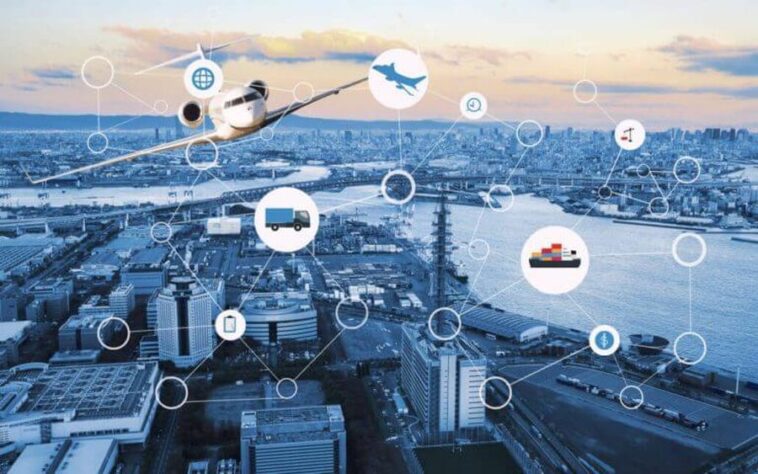
Freight transport is the backbone of global trade, moving raw materials, consumer products, machinery, food, and countless other goods between manufacturers, warehouses, retailers, and customers. Traditionally, the industry has depended on manual processes, paper documentation, telephone-based communication, and fixed delivery schedules. Today, technology is changing almost every stage of the freight journey.
Digital platforms, artificial intelligence, automation, connected vehicles, and real-time data are helping transport companies operate more efficiently while giving customers greater visibility and control. These developments are particularly important as businesses face rising fuel costs, growing delivery expectations, driver shortages, environmental targets, and increasingly complex supply chains.
Here are the top ten ways technology is transforming freight transport.
1. Artificial Intelligence Is Improving Route Planning
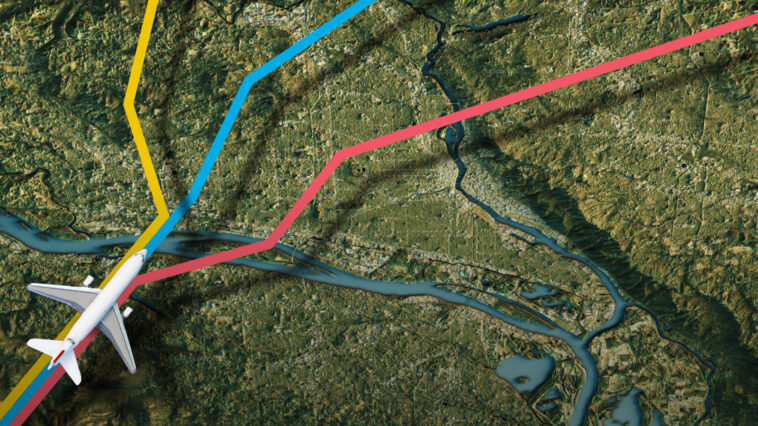
Route planning used to rely heavily on a driver’s experience, printed maps, and basic navigation systems. Modern freight companies can now use artificial intelligence to analyse large amounts of information and identify more efficient delivery routes.
AI-powered systems can consider traffic congestion, road closures, vehicle restrictions, weather conditions, fuel consumption, delivery deadlines, and driver working-hour regulations. Instead of simply choosing the shortest route, the technology can recommend the route that offers the best balance between speed, cost, safety, and reliability.
These systems can also adjust routes while a vehicle is already on the road. When an accident causes unexpected congestion or severe weather affects a particular area, the platform can redirect the driver before the disruption causes a major delay.
For transport operators, better route planning means fewer unnecessary miles, reduced fuel usage, more accurate delivery times, and improved vehicle productivity.
2. Real-Time Tracking Is Increasing Shipment Visibility
One of the most significant changes in freight transport is the ability to track vehicles and shipments in real time. GPS technology, mobile networks, and connected tracking devices allow businesses and customers to see where goods are throughout the delivery process.
This level of visibility reduces uncertainty. Customers no longer need to make repeated phone calls asking when a shipment will arrive. Instead, they can receive automated location updates and estimated delivery times.
Real-time tracking is also valuable for freight operators. Dispatch teams can monitor vehicle movements, identify delays, and respond quickly when a driver leaves a planned route or stops unexpectedly. When combined with security alerts, tracking systems may also help detect theft, unauthorised vehicle use, or cargo tampering.
Greater visibility improves communication across the supply chain and allows warehouses, retailers, and customers to prepare more effectively for deliveries.
3. Digital Freight Marketplaces Are Connecting Customers and Carriers
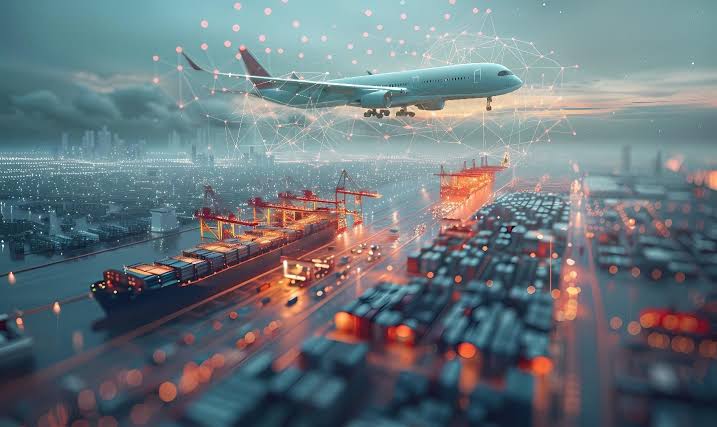
Digital freight marketplaces are making it easier for customers to find suitable transport providers. These platforms connect people or businesses that need to move goods with carriers that have the appropriate vehicle space, route availability, and experience.
Instead of contacting multiple transport companies individually, customers can submit shipment details through a single online platform. Carriers can then provide quotes or accept work that fits their schedules.
This model can be particularly useful for unusual, bulky, or one-off deliveries. A customer arranging furniture transport, for example, may use a platform such as Shiply Shipping to compare available transport options and potentially make use of space on vehicles already travelling along a relevant route.
For carriers, digital marketplaces can reduce empty running, which occurs when a vehicle travels without a paying load. Filling unused capacity improves revenue efficiency and can reduce the environmental impact associated with unnecessary journeys.
4. Electronic Documentation Is Replacing Paperwork
Freight transport has traditionally generated large amounts of paperwork, including invoices, delivery notes, customs forms, inspection records, bills of lading, and proof-of-delivery documents. Managing these papers manually can be slow and vulnerable to loss, duplication, and human error.
Electronic documentation is simplifying the process. Drivers can use smartphones or tablets to collect digital signatures, upload photographs, record delivery times, and confirm the condition of goods. Information can then be shared immediately with customers, transport managers, accounts teams, and other authorised parties.
Digital records are easier to search, store, and audit than paper documents. They can also speed up invoicing because proof of delivery becomes available as soon as the shipment is completed.
In international freight, digital documentation may help reduce delays at borders by allowing information to be submitted, reviewed, and corrected before a shipment reaches a customs checkpoint.
5. Internet of Things Sensors Are Protecting Cargo
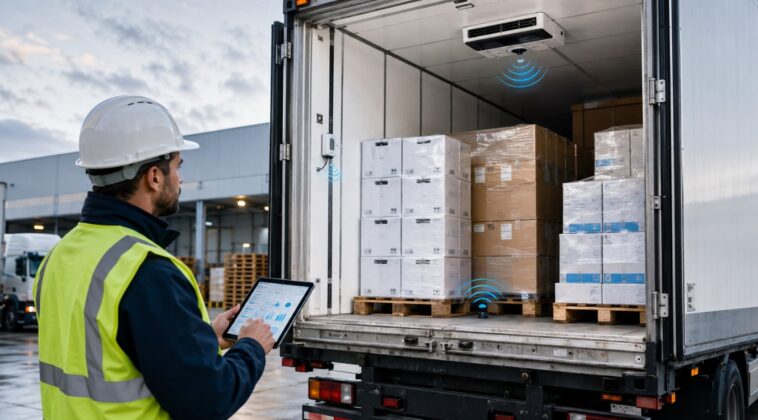
The Internet of Things, often called IoT, refers to physical devices that collect and share data through connected networks. In freight transport, IoT sensors can be attached to vehicles, trailers, containers, pallets, or individual packages.
These sensors can monitor far more than location. Depending on the equipment, they may measure temperature, humidity, vibration, light exposure, door openings, pressure, and sudden movement.
This is especially important for sensitive freight. Food, pharmaceuticals, chemicals, electronics, and medical products may need to remain within specific environmental conditions. If the temperature inside a refrigerated trailer moves outside an acceptable range, an IoT system can alert the transport operator immediately.
Early warnings allow companies to act before an entire shipment is damaged. Sensors can also provide a detailed condition history, helping businesses demonstrate that goods were transported according to agreed standards.
6. Warehouse Automation Is Accelerating Freight Handling
Freight transport does not begin and end on the road. Warehouses, distribution centres, ports, and logistics hubs play a central role in preparing, sorting, loading, and unloading goods.
Automation is making these operations faster and more accurate. Conveyor systems, robotic arms, automated guided vehicles, and autonomous mobile robots can move products through a facility with limited human intervention.
Warehouse management software can determine where goods should be stored and when they should be moved to a loading area. Some systems automatically group orders according to destination, delivery priority, or vehicle route.
Faster warehouse processing reduces the amount of time trucks spend waiting at loading bays. This is important because vehicle delays can affect driver schedules, delivery commitments, and overall fleet capacity.
Automation does not necessarily remove the need for warehouse employees. Instead, it can reduce repetitive manual tasks and allow workers to focus on quality control, equipment supervision, exception handling, and more complex activities.
Conclusion
Technology is transforming freight transport into a more connected, visible, efficient, and data-driven industry. Artificial intelligence is improving route planning, real-time tracking is increasing transparency, and digital marketplaces are making it easier to match shipments with available carriers.
At the same time, electronic documentation, IoT sensors, warehouse automation, predictive maintenance, and assisted driving technologies are improving reliability and safety. Data analytics is helping companies make stronger commercial decisions, while electric vehicles and other green technologies are supporting the transition towards more sustainable freight operations.