 Miljan Radovanovic
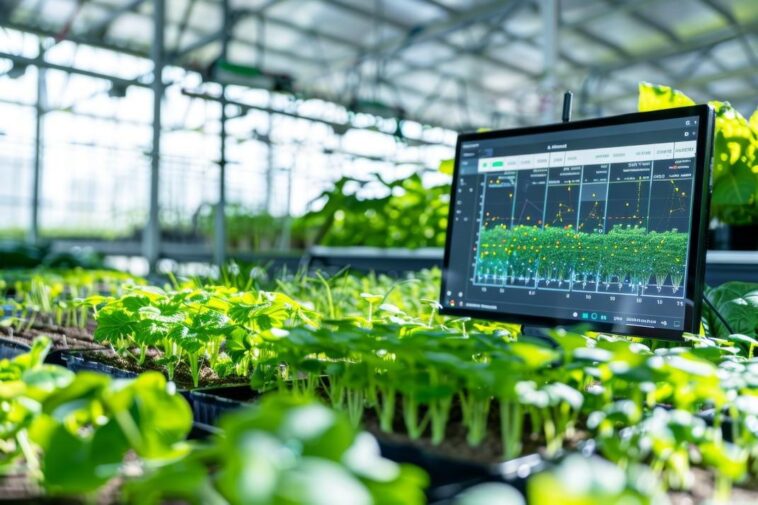
A soybean farmer outside Lincoln used to walk his fields every morning, checking the soil by hand. Squeezing dirt between his fingers, eyeing the sky, making calls based on thirty years of gut feeling.
He was good at it. But gut feeling doesn’t catch a moisture drop at the far end of a 200-acre field at two in the afternoon when nobody’s out there. That’s the kind of gap technology is quietly closing on farms across the country. Not replacing experience; extending it.
The Old Way Had a Ceiling
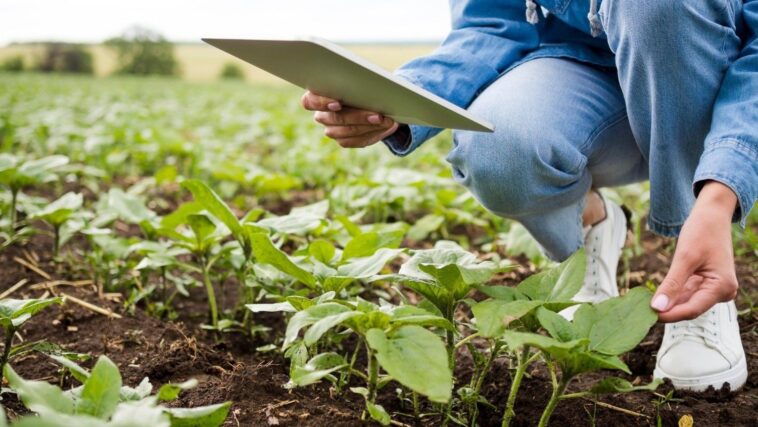
Farming has always run on knowledge passed down and hard-won instinct. A seasoned grower reads the land in ways no manual can teach. But even the sharpest eyes have limits. You can’t be in four fields at once.
You can’t feel what’s happening six inches below the surface from the cab of a truck. And you definitely can’t predict how Tuesday’s rain will affect soil chemistry in a specific plot three days later just by looking at it.
The old way succeeded out of necessity. Farmers did the best they could with what they knew. The key change is the massive increase in accessible information. This is now viewable on a phone, eliminating the need for a lengthy walk.
Sensors Took the Blindfold Off
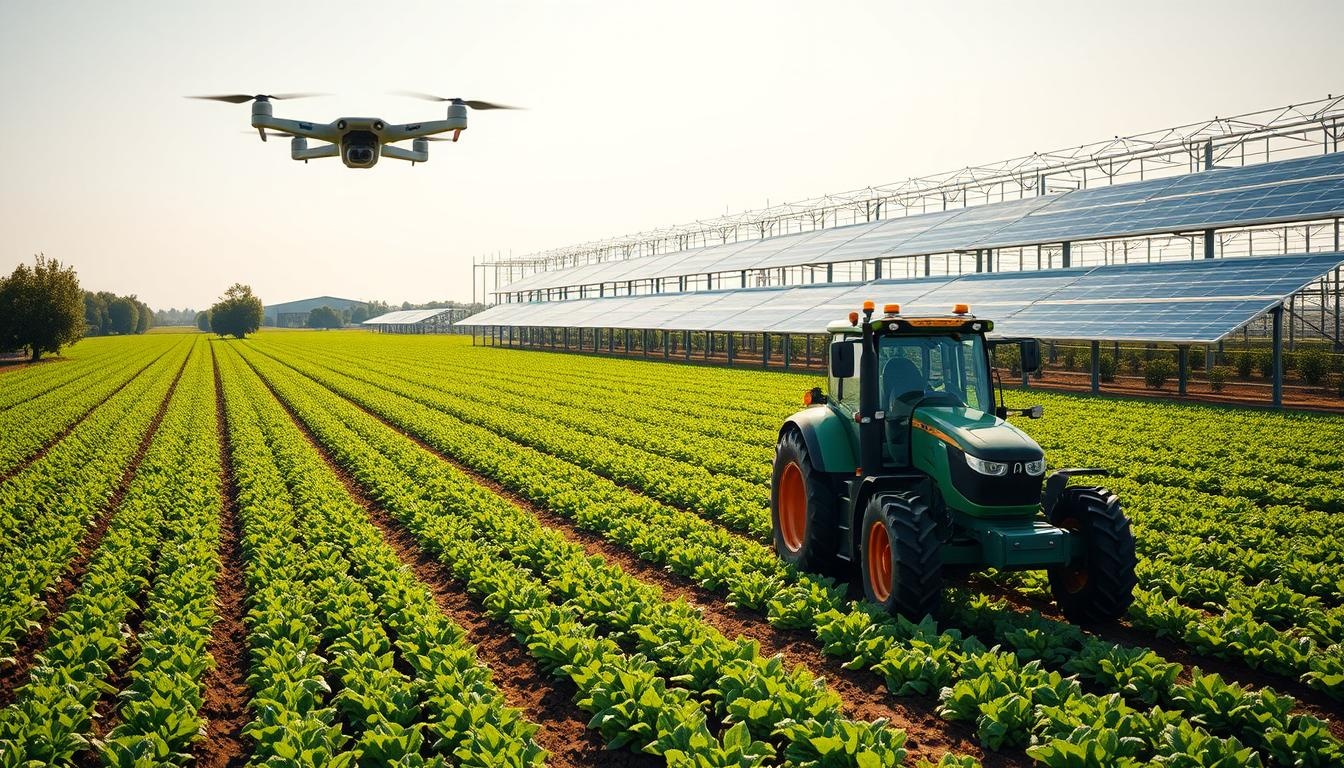
Instead of relying on estimations, decisions are now driven by concrete data provided by soil moisture probes, weather micro-station data, and leaf wetness sensors.
A moisture sensor buried at root depth reports conditions every fifteen minutes. This makes irrigation timing precise, not scheduled.
Water goes where it’s needed, when it’s needed. Savings on water can justify the equipment in one to two seasons.
Temperature monitoring operates similarly. Growers can safeguard delicate crops from harm by knowing the precise frost risk in specific low-lying areas of their fields, rather than relying on general county forecasts. The data isn’t theoretical. It’s dirt-level practical.
Connectivity Was the Missing Piece
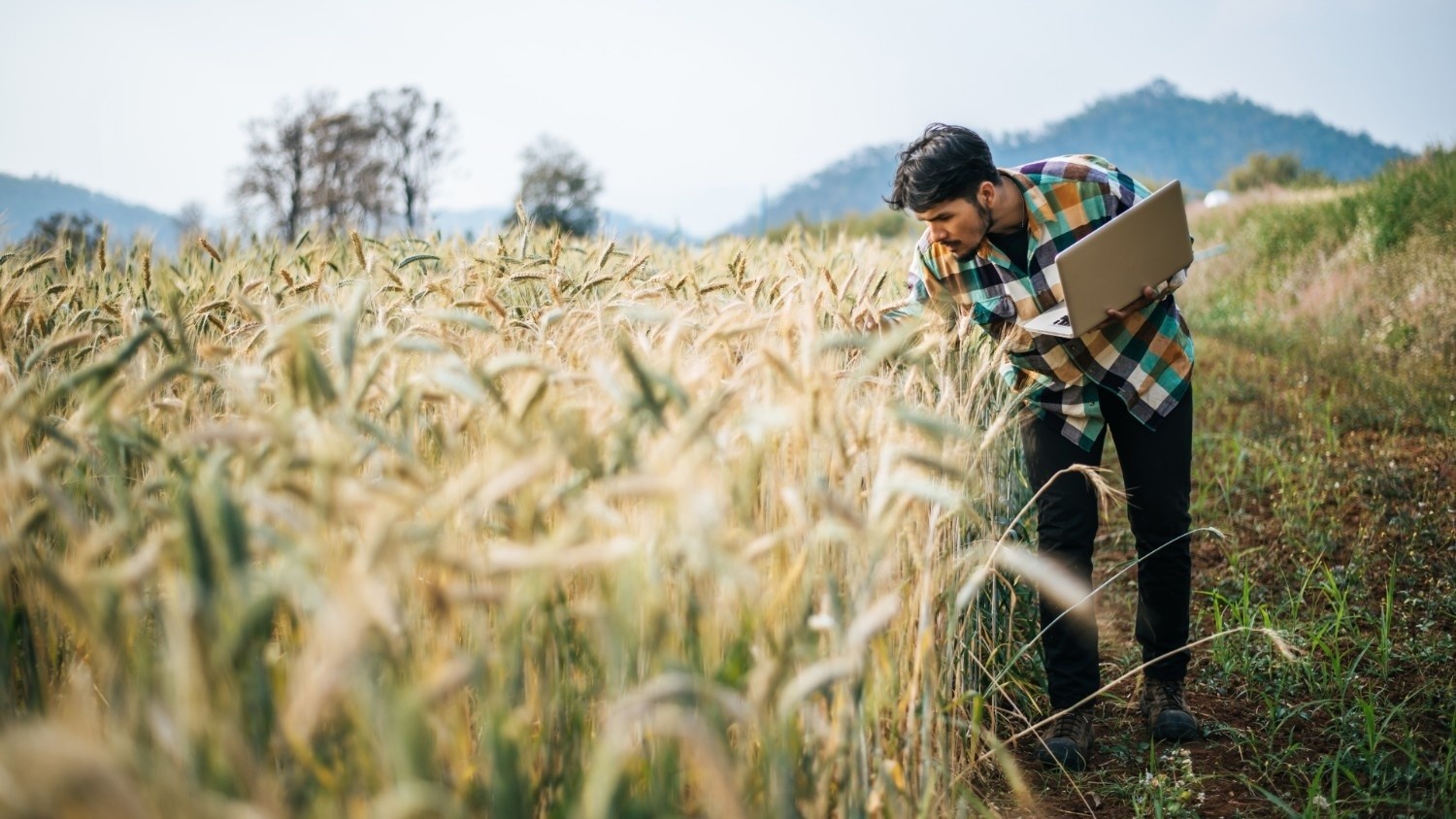
Sensors are only useful if they can send data somewhere. And farms aren’t exactly downtown office parks with Wi-Fi on every corner.
Fields sit miles from the nearest reliable internet connection. Equipment sheds do not have ethernet ports. That connectivity gap held things back for years. Farmers could buy sensors, but getting the data off them reliably was a constant headache.
Dead zones, spotty coverage, complicated networking setups that nobody had time to troubleshoot during planting season.
Cellular-based IoT farming solutions changed the equation by removing the need for local network infrastructure entirely.
Blues IoT has been particularly sharp at solving this specific problem, offering devices that connect over cellular networks right out of the box without requiring farmers to build or maintain any local wireless setup.
That matters on a 500-acre operation where running cable or setting up mesh networks just is not going to happen.
Once connectivity stops being an obstacle, the data starts flowing. And once data flows consistently, patterns emerge that no amount of field walking would reveal.
Conclusion
One season of sensor data helps. Three seasons of it starts to reshape how a farm operates. Yield maps layered with soil data and weather history show exactly which sections of a field perform and which underperform, and hint at why.
Also read: Know if the plant is not getting water
Fertilizer application gets dialed in tighter. Planting density adjusts by zone. Irrigation schedules evolve based on what actually happened last year instead of regional averages.
None of this replaces the farmer. It gives the farmer sharper tools. The instinct still matters. It just has backup now; the kind that doesn’t sleep, doesn’t forget, and covers every acre at once.