 Miljan Radovanovic
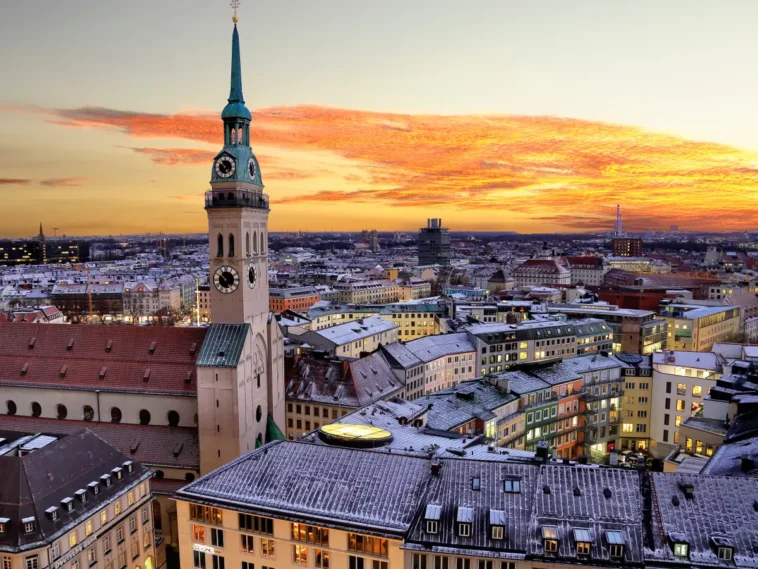
There’s a version of Munich most people see first. Beer halls, polished squares, postcard-perfect architecture. And then there’s the quieter version, the one you grow into after a few days. It’s slower, a bit more personal, and honestly, much more interesting.
If you want to experience Munich like a local, you have to shift your pace. Stop chasing landmarks and start noticing patterns. Where people linger. Where they return. Where the city feels lived in rather than displayed.
This guide is about that version of Munich. The one shaped by cafés, parks, and small, almost hidden corners that don’t try to impress you but end up doing exactly that.
Where Munich Slows Down: Understanding the Local Rhythm
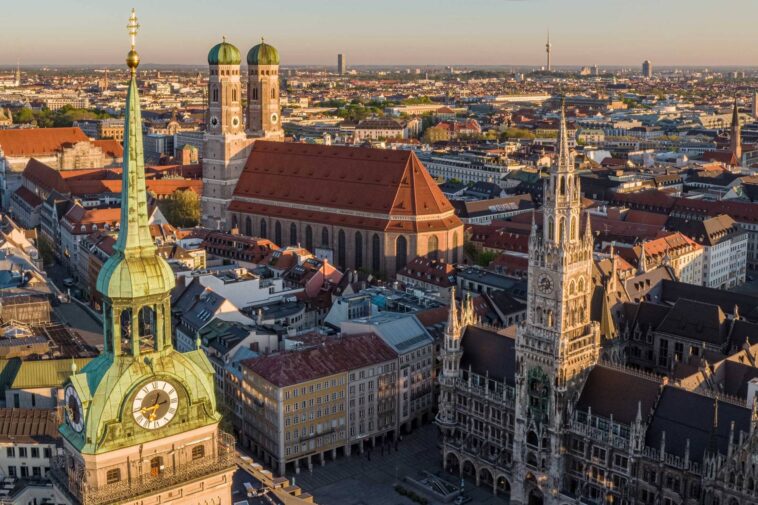
Before diving into specific places, it helps to understand how Munich actually feels day to day. It’s a city that balances energy with calm in a way that’s surprisingly intentional.
Locals don’t rush through it. They settle into it.
In neighborhoods like Westend or Glockenbachviertel, you’ll notice mornings that start quietly and stretch into long afternoons in cafés. These areas are known for their relaxed vibe, independent spots, and strong café culture that goes beyond just grabbing coffee.
And then there’s the social side of the city, which isn’t always obvious at first glance. Munich has a layered nightlife and companionship culture that reflects its cosmopolitan side.
If you come across München escort, it’s part of that broader urban fabric. It tells you something about the city’s diversity, its openness, and how different lifestyles quietly coexist beneath its traditional surface.
Understanding this balance makes everything else make more sense.
Café Culture in Munich: More Than Just Coffee
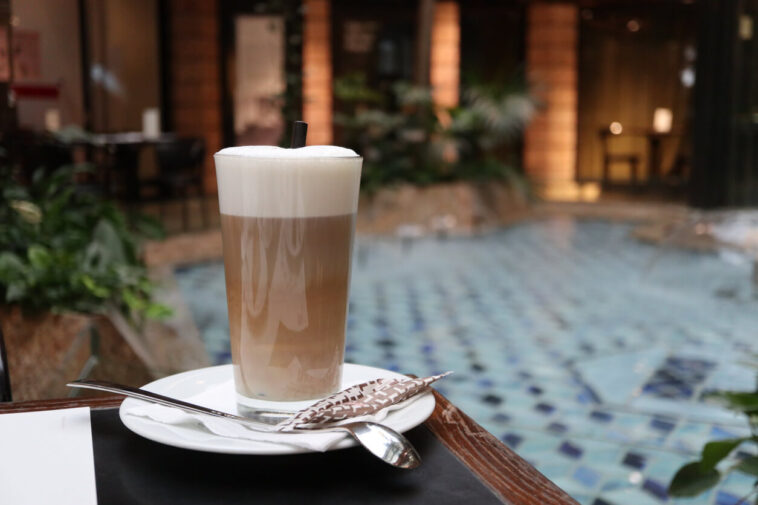
Munich cafés aren’t about efficiency. They’re about presence.
You’ll find small, tucked-away spots where people sit with laptops, meet friends, or just watch the street for a while. Many of these places are intentionally understated, almost hidden in plain sight, offering a calm alternative to busier, well-known cafés.
What stands out isn’t just the coffee quality, though that’s usually solid. It’s the atmosphere.
- Soft lighting and wooden interiors
- Outdoor seating that feels like an extension of the street
- Menus that change quietly with the seasons
Some cafés lean into a cozy, almost living-room-like feeling, where working for a few hours feels completely natural. Others are more social, buzzing lightly but never overwhelming. Either way, the idea is the same. You’re not there just to consume something. You’re there to spend time.
And that’s what makes Munich’s café culture feel so grounded.
Parks That Feel Like Part of Daily Life
The city is known for its expansive green spaces, with places like the English Garden ranking among the largest urban parks in the world, even bigger than Central Park. But the real experience isn’t about size. It’s about how people use them.
You’ll see it quickly.
- People reading alone near the river
- Groups casually grilling by the Isar
- Cyclists passing through without stopping
Take areas like the Isar Flaucher. It’s not a formal park in the traditional sense. It’s more like a shared backyard where people gather, swim, and stay until sunset. That kind of informal use is what gives Munich its relaxed outdoor culture.
Did you know? Munich has over 60 beer gardens, many located within or near parks, blending social life with nature in a very specific local way.
The result is a city that feels breathable, even when it’s busy.
Hidden Corners That Locals Keep to Themselves
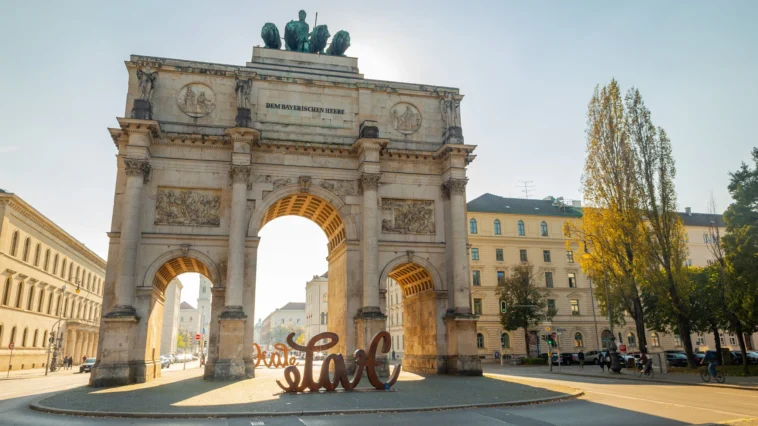
This is where Munich becomes interesting.
Not because these places are spectacular, but because they feel personal. They’re not designed for attention. They just exist, and locals know how to find them.
Think of places like:
- Small cultural spaces built in repurposed areas
- Unusual locations like converted ships or creative hubs
- Bridges like Hackerbrücke, where people gather just to watch the sunset
These spots don’t follow a typical “must-see” logic. They’re part of a broader shift toward slower, more alternative tourism. Instead of focusing on major attractions, people are choosing smaller, more authentic experiences that reflect everyday life.
Comparison table: Tourist vs Local Spots
| Experience Type | Tourist Version | Local Alternative |
| Coffee | Central cafés near Marienplatz | Neighborhood cafés in Westend |
| Parks | English Garden hotspots | Isar riverbanks, Westpark |
| Views | Observation towers | Hackerbrücke at sunset |
| Social spaces | Beer halls | Casual riverside gatherings |
What you notice is that local spots are less structured. They leave more room for spontaneity.
A Different Way to Explore Munich
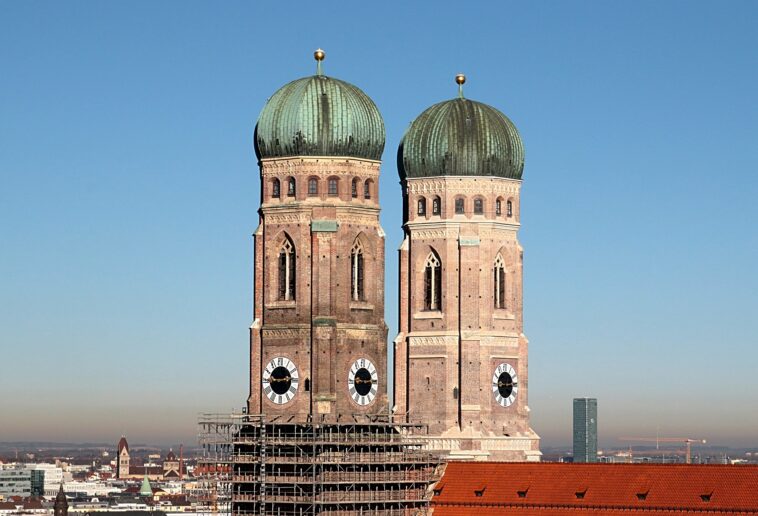
The city rewards curiosity more than planning.
Instead of mapping every stop, try this approach:
- Pick a neighborhood and stay there longer than expected
- Walk without a fixed destination
- Sit somewhere just because it feels right
Many of Munich’s hidden gems are free or low-cost, from parks to small markets, making them accessible and easy to explore without pressure.
And more importantly, they don’t feel staged.
You’re not observing Munich. You’re participating in it.
Letting Munich Reveal Itself
At some point, something shifts. You stop trying to “see” Munich and start experiencing it.
Maybe it’s sitting in a café longer than you planned. Maybe it’s an afternoon by the river that turns into an evening. Or maybe it’s finding a quiet corner that wasn’t on any map.
That’s when the city starts to feel different.
Also read: What to Pack for Long Munich Weekend
Munich isn’t trying to overwhelm you. It’s inviting you to slow down, to notice details, and to move at a pace that feels almost unfamiliar at first.
And once you settle into that rhythm, you realize something simple.
This is what the city actually feels like.