


Safety gear is an essential part of an electrician’s workday, as electrical trades come with unique hazards that require specialized protection. From live wires and confined spaces to working at height, electricians face risks that go beyond those found in many other trades. The right equipment helps prevent serious injuries and ensures work is carried out safely and efficiently.
Electrical Hazards and Risk Awareness
Electricians work with live electrical systems, often in unpredictable environments. A single mistake can result in electric shock, burns, or even fatal injuries. In addition to electrical risks, electricians may work in crawl spaces, ceilings, or outdoor conditions that introduce further hazards.
Proper safety gear minimizes these risks and allows electricians to perform precise work without compromising their wellbeing.
Insulated Hand Protection

Gloves are one of the most critical pieces of safety gear for electricians. Insulated gloves protect against electric shock while allowing enough dexterity to handle tools and wiring. These gloves must be rated for the voltage being worked on and inspected regularly for damage.
Even when systems are believed to be de-energized, insulated gloves provide an extra layer of protection against unexpected current.
Protective Footwear for Electrical Work
Electricians require footwear that protects against both impact and electrical hazards. Non-conductive soles reduce the risk of electrical shock, while reinforced toes protect against dropped tools or materials.
Slip-resistant soles are also important, especially when working on ladders or smooth surfaces. Proper footwear improves stability and reduces fatigue during long workdays.
Eye and Face Protection

Electrical work often involves drilling, cutting conduit, or working near sparks. Safety glasses protect against debris, while arc-rated face shields are essential when working on high-voltage systems. Arc flash incidents can cause severe burns, making face protection a critical consideration.
Flame-Resistant Clothing
Flame-resistant clothing is increasingly common for electricians, particularly those working in industrial or commercial settings. These garments are designed to self-extinguish, reducing burn severity in the event of an arc flash.
High-visibility flame-resistant clothing also improves visibility on busy sites, combining protection with awareness.
Tools Designed With Safety in Mind
Electricians rely on insulated tools to reduce the risk of accidental shock. Screwdrivers, pliers, and cutters with insulated handles provide protection when working near live components. Using the correct tools is just as important as wearing protective clothing.
Regular Inspection and Maintenance of Safety Gear
Safety equipment is only effective when it is properly maintained. Electricians should inspect gloves, footwear, tools, and protective clothing before each shift to identify wear, cracks, or damage that could compromise protection.
Insulated gloves should be tested according to manufacturer guidelines, while face shields and eyewear must remain free from scratches that reduce visibility. Storing safety gear correctly also matters, as exposure to moisture, heat, or direct sunlight can degrade materials over time.
Consistent inspection routines help ensure that protective equipment performs as intended when it is needed most.
Final Thoughts
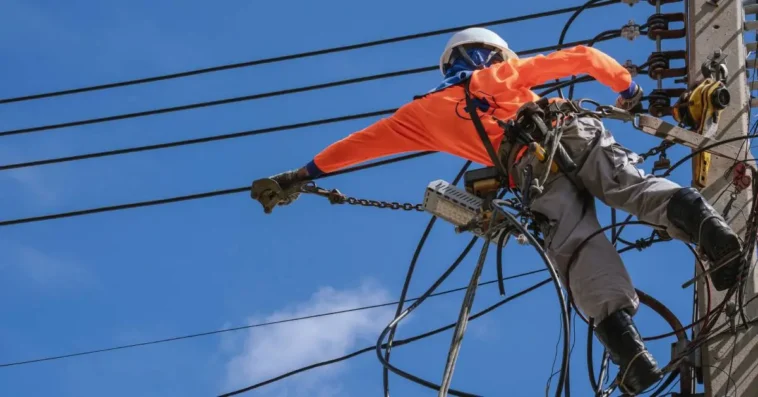
For electricians, safety gear is a critical investment in both personal safety and professional reliability. From insulated gloves to arc-rated face protection, every piece of equipment plays a role in preventing injuries. By prioritizing proper gear, electricians can work confidently in high-risk environments while maintaining the highest safety standards.


