 Miljan Radovanovic
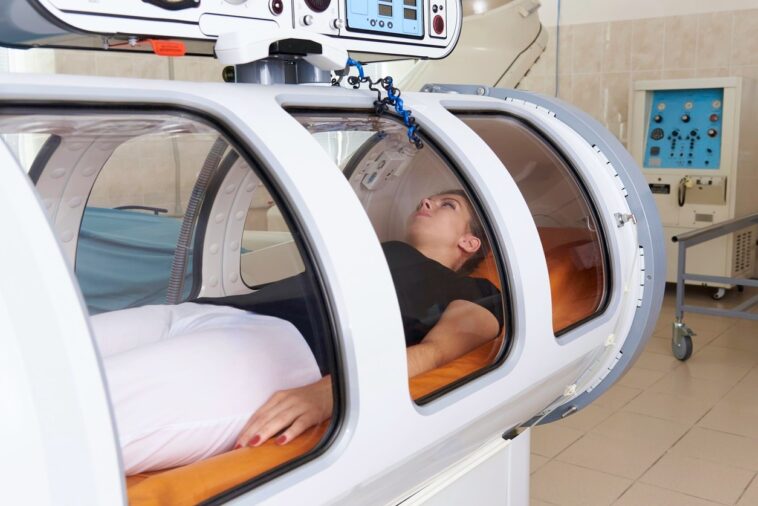
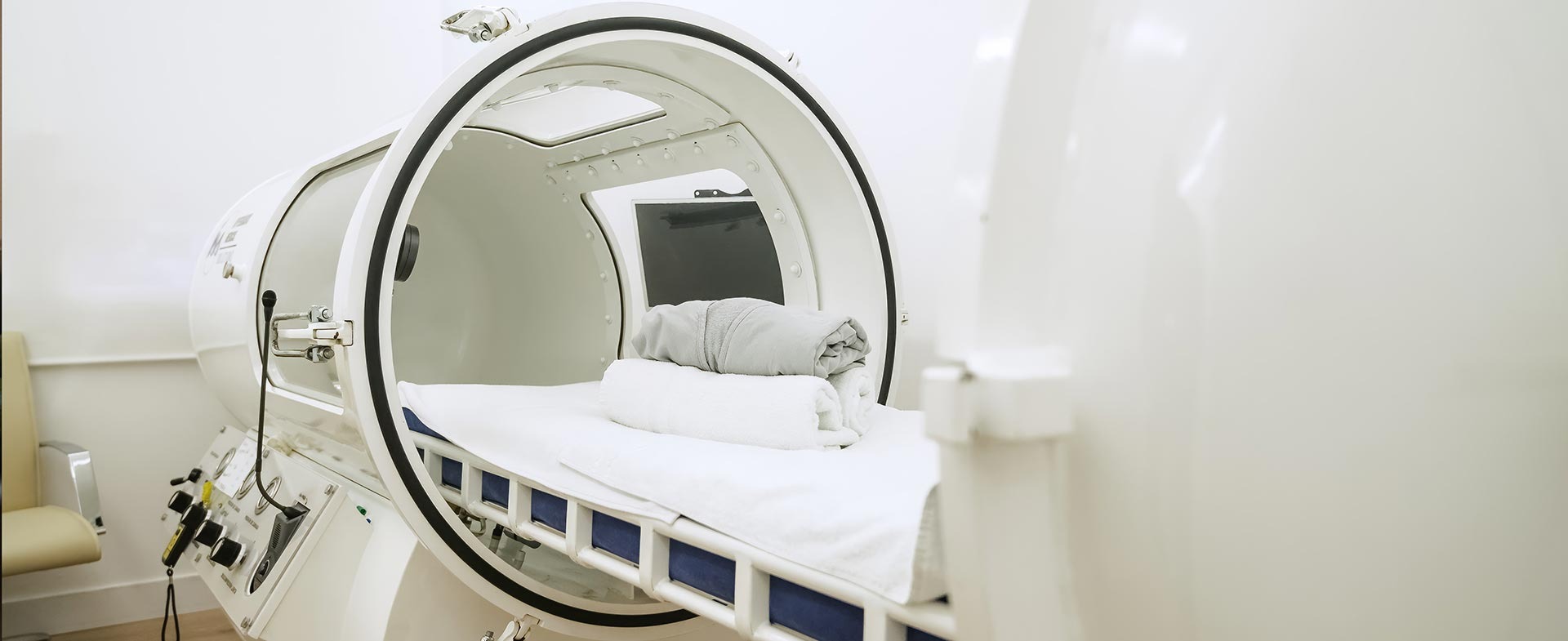
Research from UHMS shows that increased atmospheric pressure can raise plasma oxygen levels several times above normal. That single detail surprises most readers because it means the body can deliver oxygen even to tissues with limited blood flow. People often imagine a hyperbaric oxygen chamber to be a futuristic tube, but very few understand the engineering behind the pressure, the delivery system, or how outcomes unfold across real treatments.
This article walks you through the mechanics, the environment, the protocols, and the results people genuinely report. The goal is to demystify the process and give you a grounded sense of what happens inside the chamber from the moment the door closes.
How Pressure Works Inside the Chamber
Pressure is the defining feature of a hyperbaric oxygen chamber. Without it, you would simply be breathing oxygen at normal atmospheric levels. Increased pressure changes gas behavior, boosts oxygen solubility and helps the body deliver this essential molecule deeper into tissues.
Most chambers operate between 1.3 and 2.4 ATA, depending on the condition being treated. The sensation of pressurization feels similar to airplane ascent but in reverse. Your ears may pop, and your breathing becomes easier even before the oxygen concentration increases.
Many people in California look at a few wellness centers before choosing a provider, which is why hyperbaric oxygen therapy LA at Oxynergy often becomes part of that decision, especially for those who want a medically guided experience in a comfortable, modern setting.
Oxygen Delivery Systems and Why They Matter

Once the chamber reaches therapeutic pressure, oxygen delivery begins. The air inside can be enriched to higher purity levels, or oxygen can be supplied through a mask or hood system. What matters most is control.
The system must regulate flow, pressure stability and emergency overrides.
A well designed hyperbaric oxygen chamber uses valves and built in monitors that continuously track oxygen percentage. This prevents fluctuations that could impact treatment quality.
Key components often monitored include:
• Stability of chamber pressure during the entire session
• Consistency of oxygen concentration delivered to the user
• Temperature and humidity changes that affect comfort
When these elements stay consistent, research shows improved cellular absorption and better overall therapy outcomes.
Comparing Chamber Types and What They Feel Like
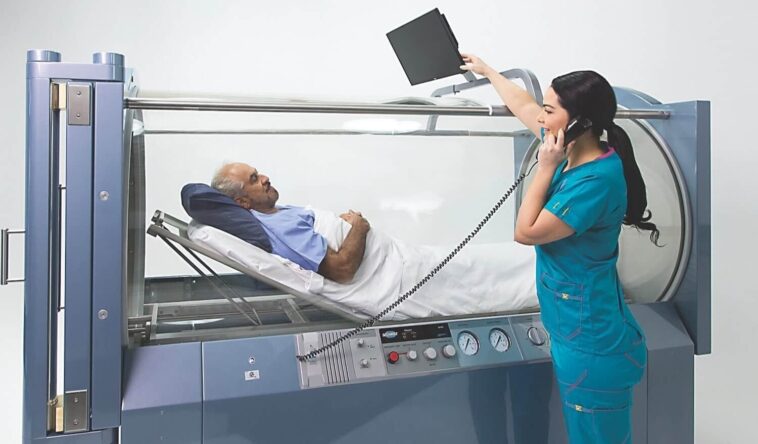
Before entering a hyperbaric oxygen chamber, people want to know what the experience feels like. Different chamber designs shape that experience in noticeable ways. Soft sided chambers tend to feel more personal and quiet, while rigid medical grade chambers provide a more controlled environment with advanced sensors. Both have their role and both are safe when used correctly.
Below is a simple comparison of common chamber types.
| Chamber Type | Typical Pressure Range | Best Use Case |
| Soft Portable | 1.3 ATA | Wellness support and mild protocols |
| Hard monoplace | 2.0 to 2.4 ATA | Medical grade treatments |
| Hard multiplace | 2.0 to 2.4 ATA | Hospitals and multi user settings |
Choosing the right type often depends on goals, medical history, comfort and available supervision.
What Happens To Oxygen In The Body During Treatment
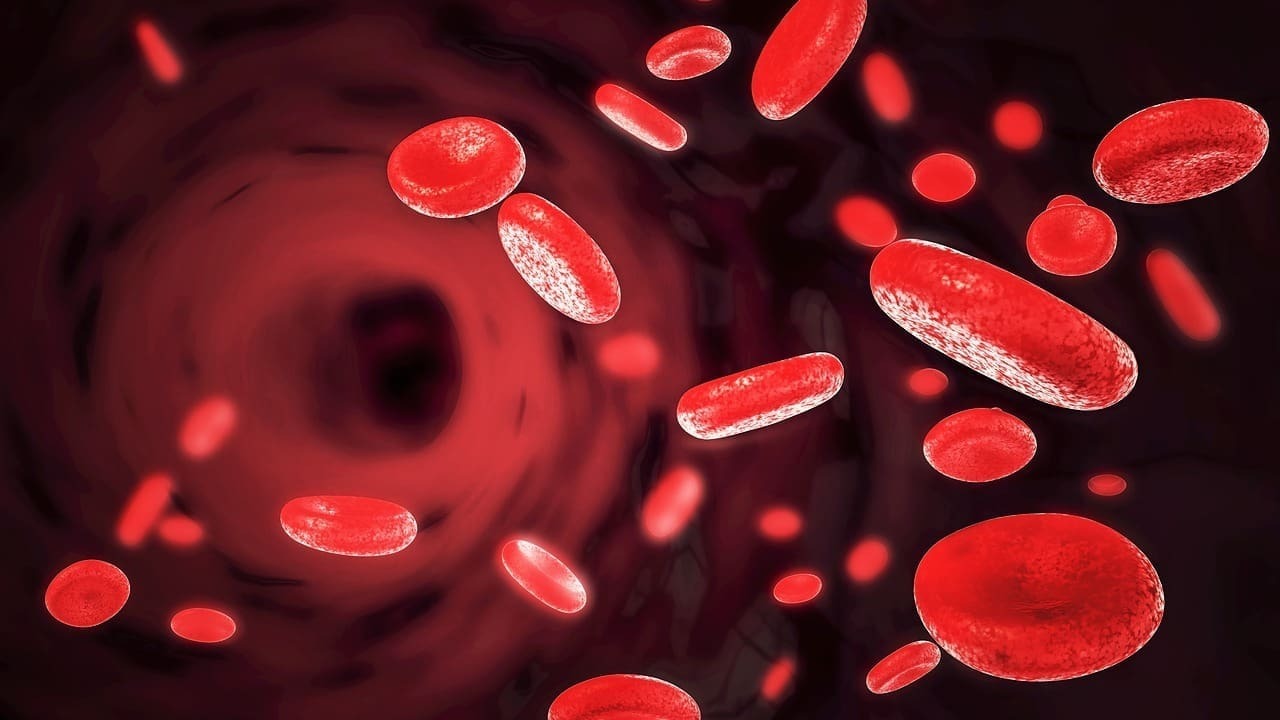
Once you are fully pressurized inside a hyperbaric oxygen chamber, oxygen behaves differently in your bloodstream. Instead of relying only on hemoglobin, the body dissolves oxygen directly into plasma. This results in higher overall oxygen transportation, which can reach hypoxic tissues more efficiently.
Cells under stress often have reduced energy production. Higher oxygen availability helps restore their function. Studies show improved mitochondrial output, reduced swelling and better inflammatory regulation. Treatment protocols vary in length, but many users report clearer thinking and faster recovery after several consistent sessions.
Henry’s Law explains why oxygen dissolves more effectively into plasma at higher pressures. This principle is the scientific foundation of hyperbaric therapy.
Safety Features Built Into Modern Chambers
Safety is one of the most carefully engineered aspects of a modern hyperbaric oxygen chamber. Designers must account for pressure fluctuations, gas flow, electrical safety and emergency decompression. Most systems include redundant valves and automatic shutoffs that engage if readings fall outside acceptable limits.
Common safety features include:
• Independent pressure gauges that verify chamber readings
• Emergency depressurization systems that activate instantly
• Fire resistant materials and strict oxygen handling protocols
These layers of protection exist so users can focus on the therapeutic process instead of the environment. When a chamber is maintained properly, the therapy remains predictable and reliable.
The Step By Step Experience Inside the Chamber
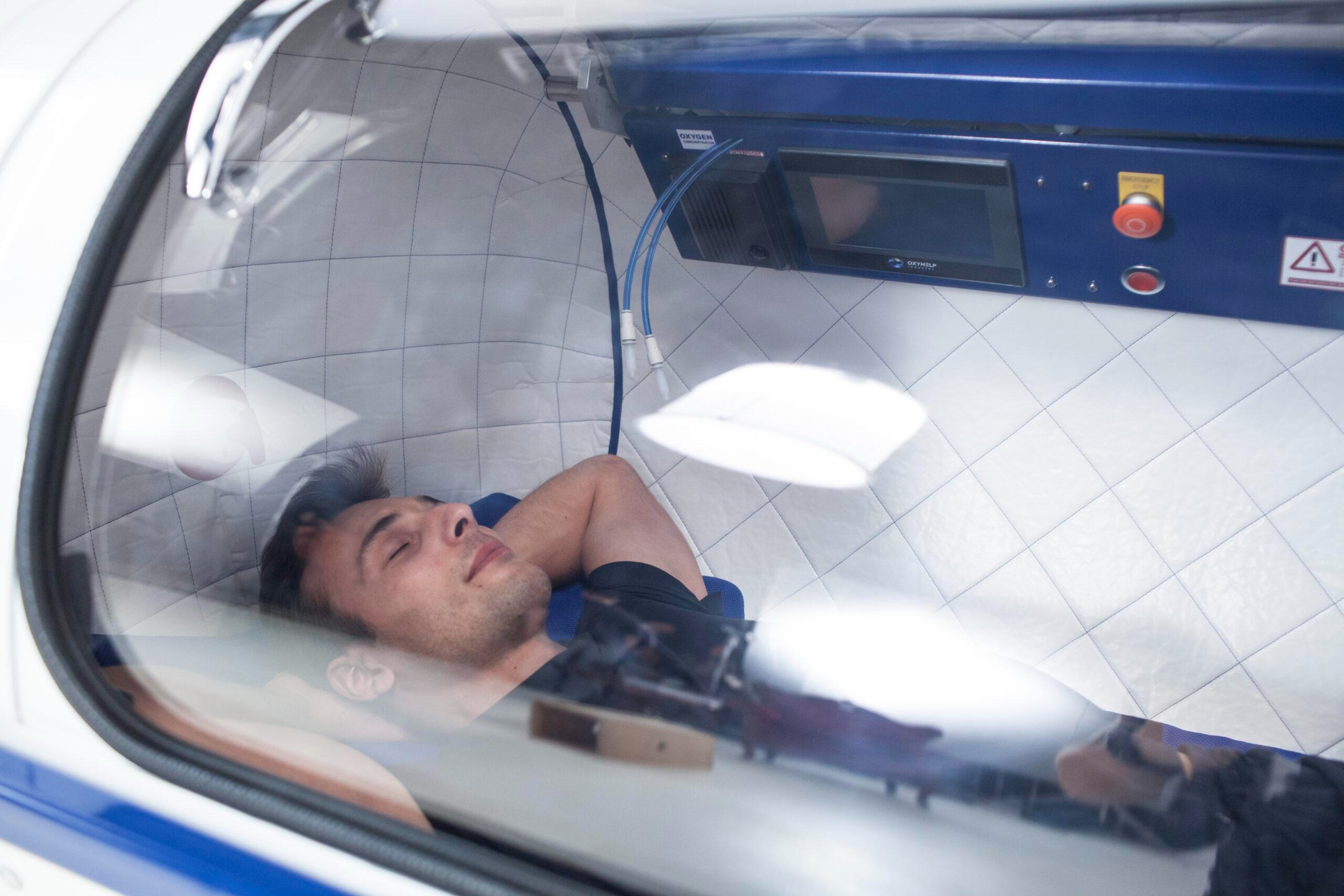
People entering a hyperbaric oxygen chamber for the first time often wonder what the session feels like from start to finish. Clinics typically follow a structured approach that begins with a short briefing. You remove items sensitive to pressure, receive instructions for equalizing your ears, and settle in. As the chamber pressurizes, you may feel warmth or mild ear pressure.
After reaching target pressure, the oxygen delivery phase starts and becomes surprisingly comfortable. Many users read or relax until decompression begins. The final minutes feel like descending in an airplane as pressure normalizes. The entire process usually lasts between 60 and 90 minutes.
Real Outcomes and What Users Report Over Time
Although experiences vary, consistent patterns appear across people who use a hyperbaric oxygen chamber as part of a wellness or recovery plan. Many report improved clarity, reduced inflammation, better stamina and faster healing responses. These outcomes tend to emerge gradually, especially when sessions are repeated across several weeks.
Most research links the benefits to three core improvements:
• Higher tissue oxygenation that supports cellular repair
• Reduced edema in areas with compromised circulation
• Increased collagen production supporting skin and joint recovery
Realistic expectations are important. Some benefits appear quickly while others build momentum with repeated exposure.
Who Benefits Most From Therapy
Different groups respond differently inside a hyperbaric oxygen chamber. Athletes use it for recovery, individuals with chronic inflammation use it for symptom management, and others rely on it for post injury support. Medical providers often design customized protocols depending on baseline health and desired outcomes.
People with reduced blood flow, lingering fatigue or slow healing tend to respond best. Those with specific medical conditions should be evaluated by a clinician before beginning therapy. The controlled environment and measured protocols make treatment accessible to many, as long as screening guidelines are followed.
Pressure Changes Impact Immune Response
Researchers studying immune modulation found that elevated oxygen pressure enhances certain white blood cell activities. This response supports tissue repair and pathogen defense. The effect is not dramatic but is measurable and contributes to the holistic benefits people associate with hyperbaric therapy.
This is one reason long term protocols sometimes produce more noticeable improvements than single sessions. The body adapts gradually, using additional oxygen to support metabolic and repair processes that take time to unfold.
Understanding Expectations Versus Reality

Many people enter a hyperbaric oxygen chamber expecting a dramatic change after one session. While it can improve energy and reduce discomfort for some, sustainable change usually builds over a series of treatments. The science behind pressure, oxygen saturation and tissue recovery relies on cumulative impact.
What helps most is a realistic plan, clear goals and consistency. Clinics often recommend packages of 10 or more sessions so the body has time to respond. When expectations align with physiology, users often feel satisfied with the process and the outcomes.
Conclusion
A hyperbaric oxygen chamber is much more than a pressurized tube. It is a controlled environment shaped by physics, engineering and clinical research.
Inside, oxygen delivery intensifies, pressure modifies cellular behavior and the body gains access to deeper healing mechanisms. Real outcomes depend on consistency, proper supervision and a clear understanding of how pressure and oxygen interact.
For many people, this combination creates a meaningful improvement in recovery, energy and overall wellness.